


Commercial · July 20, 2026 · 7 min read
Commercial Fencing Services in Kentucky: What Business Owners Need to Know
What commercial fencing services cover in Kentucky, how industrial fencing differs, permit basics, cost factors, and what to ask a contractor.
Property and facility managers often deal with fencing only when there is a problem, a damaged section, a new security requirement, or a project that needs a perimeter defined before work can start.
Understanding what a commercial fence company actually does, and how commercial fencing differs from residential work, makes it easier to plan a project and set a realistic budget.
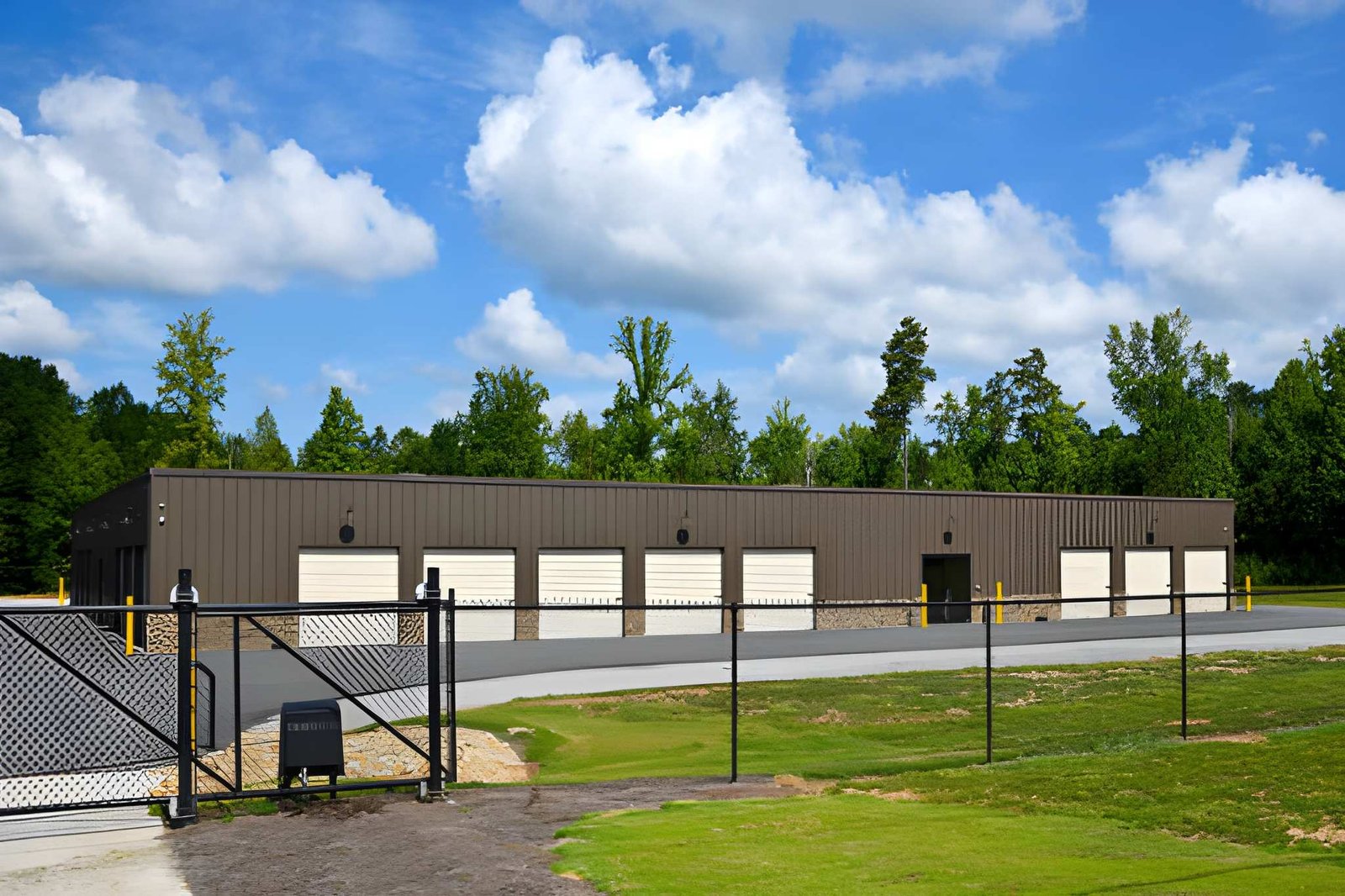
What Does a Commercial Fence Company Do?
A commercial fence company designs, installs, and maintains fencing for business properties, which can include office parks, retail centers, warehouses, storage yards, and multi tenant buildings.
Their work usually involves site assessment, material selection based on security and code requirements, permitting where applicable, and installation by a trained crew.
Unlike a residential job, commercial fence installation often needs to account for larger perimeters, vehicle gates, access control systems, and compliance with local zoning rules.
A commercial fencing company Kentucky property managers hire should be able to walk through all of these considerations before providing a quote, rather than treating the project like a standard backyard fence at a larger scale.
What Types of Commercial Fencing Services Are Available?
Commercial fencing covers a range of applications, from basic property line marking to full perimeter security systems. Most commercial fence contractors offer several categories of service so that a single provider can handle a property's full fencing needs.
Commercial Chain Link Fencing
Commercial chain link fencing is one of the most common choices for businesses because it is durable, relatively affordable, and can be adapted with privacy slats or added height where more security is needed. It is frequently used around storage yards, utility areas, and parking lots.
Commercial Security Fencing
Commercial security fencing is designed specifically to restrict access rather than simply mark a boundary. This often includes taller fencing, secure gate systems, and in some cases anti climb features.
A security fencing company should be able to assess the level of risk at a property and recommend fencing that matches, rather than defaulting to the same product for every client.
Commercial Property Fencing
Commercial property fencing includes fencing installed primarily for appearance and boundary definition, such as ornamental steel or aluminum fencing around an office entrance.
This type of fencing still needs to meet local code but is generally less about restricting access and more about presenting the property well.
Fences for Business Events and Temporary Needs
Fences for business are not always permanent. Temporary fencing services and construction fence rental are used for renovations, new construction, and short term events held on commercial property.
These are typically rented for the length of the project and removed once the work or event is complete.
How Is Industrial Fencing Different From Standard Commercial Fencing?
Industrial fencing Kentucky facilities require is generally built for a higher level of security and durability than typical commercial property fencing, since industrial sites often store equipment, materials, or hazardous substances that need stricter access control.
Industrial Safety Fencing
Industrial safety fencing is used to separate active work areas, machinery, or hazardous zones from general foot traffic. This is common at manufacturing plants and job sites where safety regulations require a physical barrier.
High Security Fencing
High security fencing typically includes reinforced materials, controlled gate access, and in some cases monitoring integration.
An industrial fencing company near me that specializes in this type of work should be familiar with the specific requirements of warehouses, distribution centers, and manufacturing facilities, since these sites often have different needs than a standard office property.
Industrial Fence Installation Considerations
Industrial fence installation projects tend to cover larger areas than commercial jobs and may involve heavier duty posts, thicker gauge chain link, or specialized gate hardware for vehicle and freight access. An industrial fence contractor should account for this scale when providing a timeline and estimate.
What Should a Facility Manager Ask a Commercial Fence Contractor?
Before hiring a commercial fencing contractor, it helps to ask about licensing and insurance, experience with properties similar in size and use, whether permits are required in your municipality, and what the expected timeline looks like from estimate to completion.
It is also worth asking what the company covers after installation, since commercial fencing takes wear over time from weather, vehicle contact, and daily traffic, and full section replacement is sometimes the right long term answer.
A commercial fence company near me that has handled similar projects should be able to give a reasonably accurate estimate without needing to guess at material quantities or labor time.
Comparison of Commercial and Industrial Fencing Options
| Fencing Type | Typical Setting | Primary Purpose | Common Features |
|---|---|---|---|
| Commercial Chain Link | Parking lots, storage yards | General boundary and light security | Privacy slats, added height |
| Commercial Security Fencing | Retail, office parks | Access control | Secure gates, anti climb design |
| Commercial Property Fencing | Office entrances, common areas | Boundary definition, appearance | Ornamental steel or aluminum |
| Industrial Safety Fencing | Manufacturing plants, job sites | Separating hazardous areas | Barrier panels, warning signage |
| High Security Industrial Fencing | Warehouses, distribution centers | Asset and perimeter protection | Reinforced materials, controlled gates |
| Temporary Construction Fencing | Active job sites, renovations | Short term site security | Rental panels, quick installation |
Does Commercial Fencing Require Permits in Kentucky?
Permit requirements for commercial fence installation vary by city and county in Kentucky, so it is worth checking with local zoning offices before work begins.
A Louisville fence contractor familiar with local requirements can typically advise whether a permit is needed based on fence height, location, and the type of property.
Working with a commercial fencing Louisville business has used before, or checking references from a similar property type, can help confirm that the contractor understands local rules and will not run into delays partway through the project.
How Much Does Commercial Fence Installation Cost?
The cost of commercial fence installation depends on the length of the perimeter, the material selected, the terrain, and whether the project includes gates or access control systems.
Industrial projects tend to cost more per foot than standard commercial fencing due to the heavier materials and larger scale typically involved.
Getting quotes from a few commercial fence installers near me is a reasonable way to compare pricing, as long as each quote covers the same scope of work and material specifications.
Final Thoughts
Commercial fencing covers a wide range of needs, from a simple chain link perimeter around a storage yard to a full high security system at an industrial facility.
Understanding the difference between commercial and industrial fencing, along with what a contractor should be able to explain before you sign a contract, makes it easier to plan a project that fits your property and budget.
Whether you are looking at a single commercial fence installation or an ongoing relationship with a commercial fencing contractor for multiple properties, taking the time to ask the right questions upfront will save time later.
For a broader overview of contractor services, read what is a fencing company.
Frequently Asked Questions
What is the difference between commercial and residential fencing?
Commercial fencing is typically built for larger properties and often prioritizes security and durability, while residential fencing focuses more on privacy and appearance for a smaller area.
Can a commercial fence company also handle industrial properties?
Some companies handle both, but industrial fencing often requires heavier materials and different security features, so it is worth confirming the contractor has direct experience with industrial sites.
Do businesses need a permit for commercial fence installation in Kentucky?
This depends on the city or county and the specifics of the fence, such as height and placement, so checking with local zoning before installation is recommended.
What is commercial chain link fencing typically used for?
It is commonly used around storage yards, parking lots, and utility areas because it is durable and can be adjusted with privacy slats or additional height as needed.
How long does commercial fence installation usually take?
This depends on the size of the property and the type of fencing, but larger commercial or industrial projects generally take longer than a standard residential installation due to scale.
Should facility managers get multiple quotes before choosing a contractor?
Yes, comparing a few written estimates from different commercial fencing contractors helps confirm that pricing and scope of work are reasonable for the type of project.
Keep reading
- Buyer's Guide · 7 min readCommercial Chain Link vs. Commercial Security Fencing: Which Is Right for Your Property?
Compare commercial chain link vs security fencing to choose the right perimeter protection for your property. Learn key differences and decide today.
- Buyer's Guide · 7 min readFence Installation vs. Fence Replacement: Which You Need
New fence installation or a full replacement? Learn the signs, the cost picture, and how to get an honest on-site assessment in Kentuckiana.
- Buyer's Guide · 13 min readHow to Choose the Right Fence Company in Kentucky
How to choose a fence company in Kentucky: licensing, insurance, local experience, written estimates, and the questions to ask before you hire.